




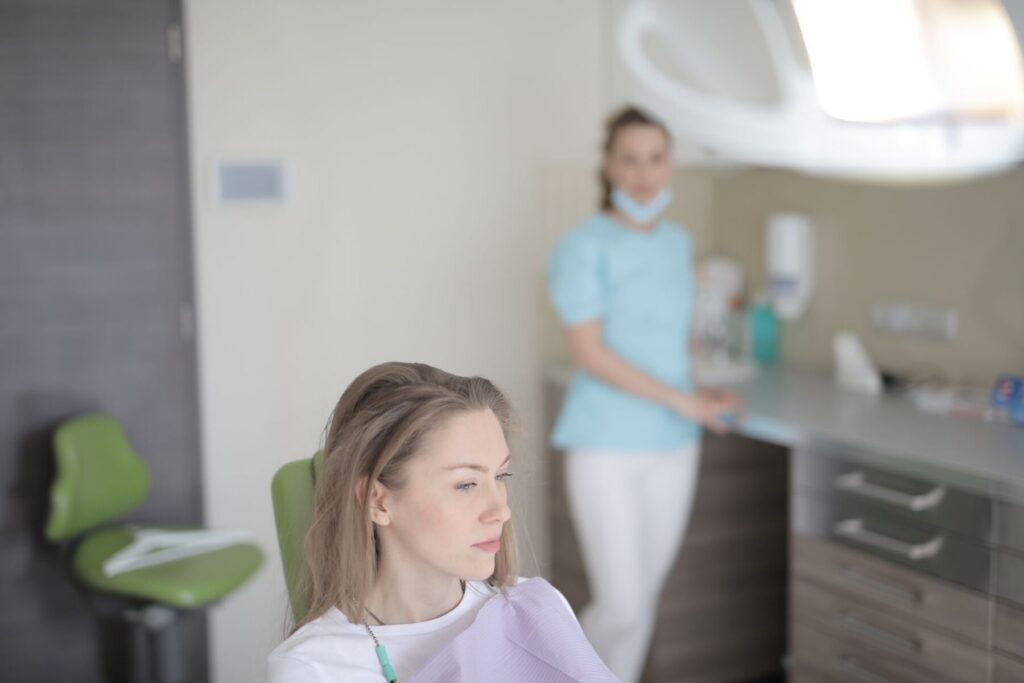
Feeling nervous about an upcoming oral surgery is far more common than most people realise. More than 1 in 8 New Zealand adults live with some degree of dental anxiety, and for many, it is the single biggest reason they delay care. The good news is that anxiety around dental and oral surgery is highly manageable with the right preparation and support. This is a follow-up to Four Tips for Relieving Anxiety. Keep reading to learn more ideas on how to manage pre oral surgery anxiety by our team at NSOMS.
Why Do So Many People Feel Anxious About Oral Surgery?
Dental anxiety often comes from a mix of past experience, fear of pain and a sense of losing control once treatment begins. Research from the University of Otago found that dental fear is widespread among New Zealand adults, yet few dentists use a formal way to assess it before treatment starts.
For oral surgery specifically, the anxiety can be heightened because procedures like wisdom teeth removal or dental implants sound more involved than a routine check-up. Understanding what actually happens, step by step, is one of the fastest ways to reduce that fear.
What Causes Dental and Surgical Anxiety?
Anxiety around oral surgery usually stems from a handful of recurring triggers:
- Previous negative experiences at the dentist, even years earlier
- Fear of pain, particularly around injections or the idea of surgery itself
- Loss of control, especially when lying back in a chair unable to see what is happening
- Fear of the unknown, including uncertainty about recovery and what to expect afterwards
- Sensory triggers, such as the sound of drills or the smell of a clinical environment
Recognising which of these applies to you makes it easier to tell your surgeon exactly what would help.
How Can You Prepare Before Your Appointment?
Preparation is one of the most effective tools against dental anxiety. A short conversation with your surgeon before the day of surgery can address most of the uncertainty that fuels fear.
Useful ways to prepare include:
- Writing down every question you have, no matter how small it seems
- Asking your oral surgeon to walk through each step of the procedure in plain language
- Requesting a tour of the treatment room if that helps you feel more oriented
- Arranging support, such as a friend or family member to accompany you
- Practising simple breathing techniques in the days leading up to surgery
At NSOMS, our consultations are designed to give patients this clarity upfront and take them though pre-treatment consultation, so nothing on the day feels unexpected.
What Sedation and Comfort Options Are Available?
For patients who need more than reassurance, sedation is a safe and well-established option in modern oral surgery. The right choice depends on the complexity of the procedure and the level of anxiety involved.
| Option | Best Suited for | What to Expect |
| Local anaesthetic only | Mild anxiety, simpler procedures | Fully awake, numbed treated area |
| IV sedation | Moderate to severe anxiety, longer procedures | Deeply relaxed, little to no memory of treatment |
| General anaesthetic | Complex surgery or severe dental phobia | Fully unconscious throughout |
At NSOMS we offer in-house general anaesthesia as well as IV sedation, giving patients options that suit their individual comfort level rather than a one-size-fits-all approach.
Does Putting Off Surgery Make Things Worse?
Yes, in most cases. Avoiding oral surgery because of anxiety tends to allow the underlying issue, whether that is an impacted wisdom tooth or a tooth that needs replacing, to progress further. This often means:
- More extensive treatment being needed later
- A longer or more complex recovery
- Increased risk of infection or complications
Talking to NSOMS surgeons and specialists early, even just for an initial consultation, is usually far less daunting than the problem people imagine.
How Do Oral and Maxillofacial Surgeons Support Anxious Patients?
An oral and maxillofacial surgeon is trained not only in the surgical side of treatment but also in patient communication, which plays a direct role in reducing anxiety. This includes explaining procedures in accessible language, checking in throughout treatment and offering realistic recovery timelines so there are no surprises.
At NSOMS, our oral surgeons regularly perform treatments such as wisdom teeth removal, dental implants and All-on-4 full teeth replacement, with sedation and comfort measures built into every treatment plan.
FAQs
Is it normal to feel anxious about oral surgery?
Yes. Dental anxiety affects a significant portion of New Zealand adults and is one of the most common reasons people delay treatment.
Can I request sedation even for a straightforward procedure?
In most cases, yes. Your surgeon will discuss which sedation option is appropriate based on your anxiety level and the procedure itself.
Will my surgeon think less of me for being anxious?
No. Oral and maxillofacial surgeons are used to treating anxious patients and expect these conversations as part of standard care.
What if I have had a bad experience at the dentist before?
Sharing that history with your surgeon beforehand helps them adjust their approach and choose sedation or communication strategies that suit you.
How soon should I book a consultation if I am putting off surgery due to fear?
As early as possible. An initial consultation is a low-pressure way to understand your options without committing to treatment straight away.
Don't Let Anxiety Delay the Care You Need
If dental anxiety has been holding you back from a procedure you need, you do not have to face it alone. The team at NSOMS is experienced in supporting nervous patients with clear communication, tailored sedation options and a calm, dedicated specialist environment. Based on Auckland's North Shore and Newmarket, we provide the full scope of oral surgery services with your comfort built into every step. Request a booking so we can talk through your options at your own pace.
